History of paleontology in Germany
Part 4: Age of Enlightenment
In Part 3, we explored how early German naturalists used comparative anatomy to unmask legendary monsters. In Part 4, we examine the broader Scientific Revolution and Enlightenment forces that permanently separated geology from theology, culminating in the birth of academic paleontology.
The Creationist Milieu: Early Natural History and Biblical Narrative
With the spread of Christianity across Europe, the study of nature developed within a strongly religious intellectual milieu.
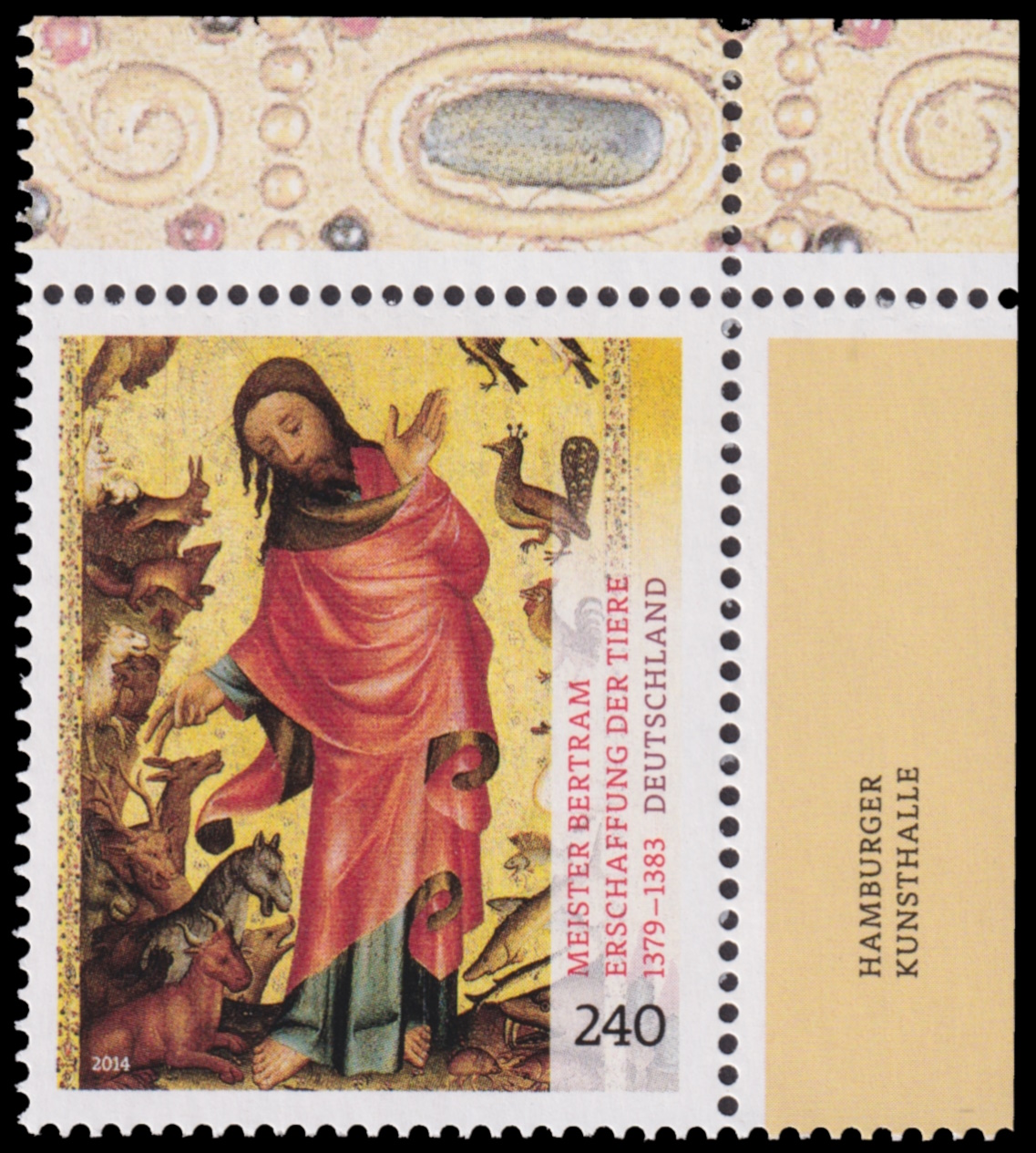 |
| God creates animals on stamp of Germany 2014 MiNr.: 3085, Scott: 2790. |
According to Christian teaching, the universe was created by God and was therefore neither eternal nor the product of chance. The Earth, the heavens, plants, animals, and humankind were understood as parts of a divinely ordered Creation, as described principally in the Book of Genesis. Life was ultimately considered to have its origin in God, with living creatures created according to the divine plan and humankind occupying a special place within Creation. Although Christian thinkers differed in how literally and chronologically they interpreted the biblical account, the idea of a purposeful divine Creation remained fundamental to the medieval Christian understanding of the natural world.
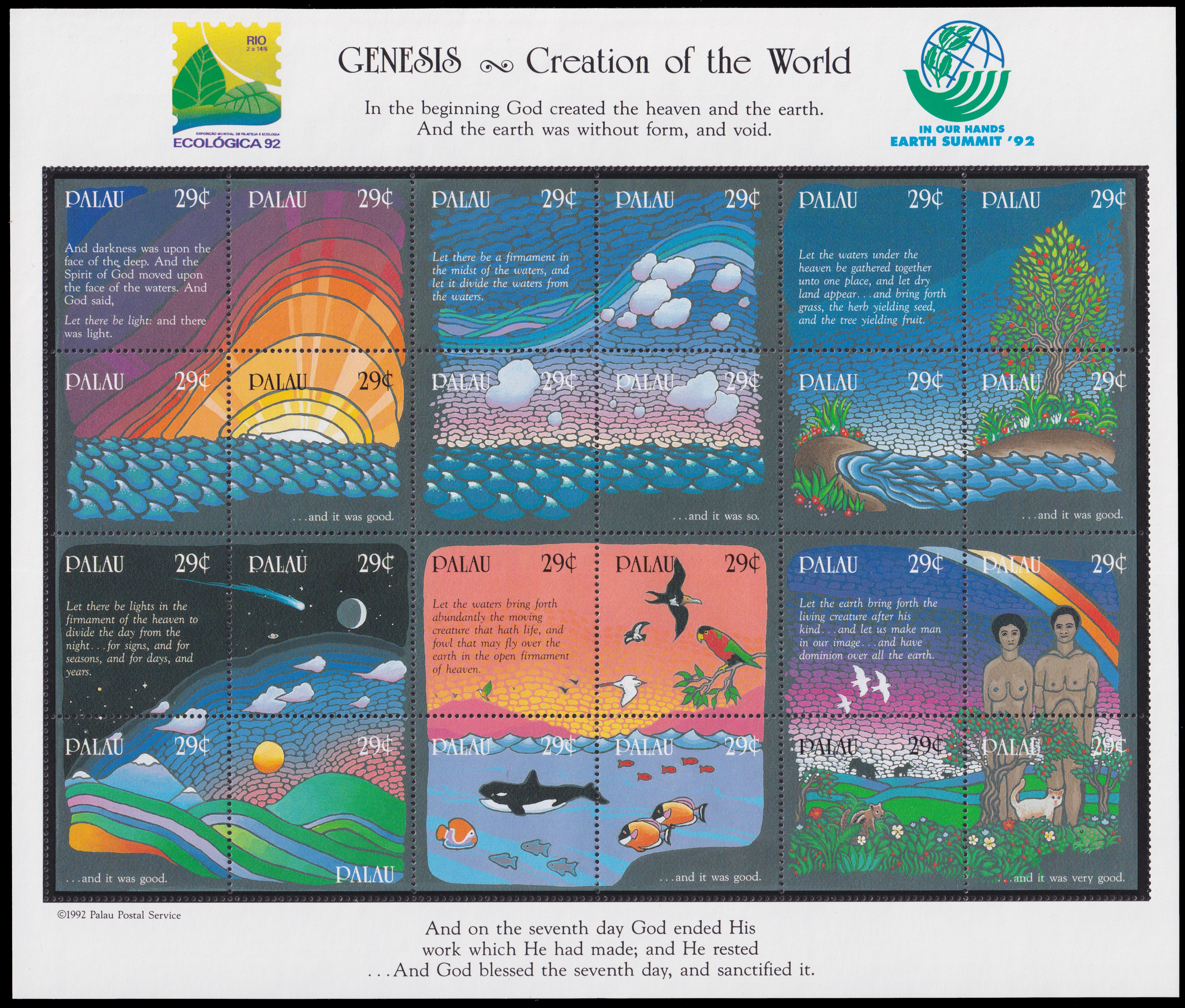
"In the beginning God created the heaven and the earth. And the earth without form and void. ... And on the seventh day God ended His work which He had made; and He rested. ... And God blessed the seventh day, and sanctified it."
Church control of science - Inquisition
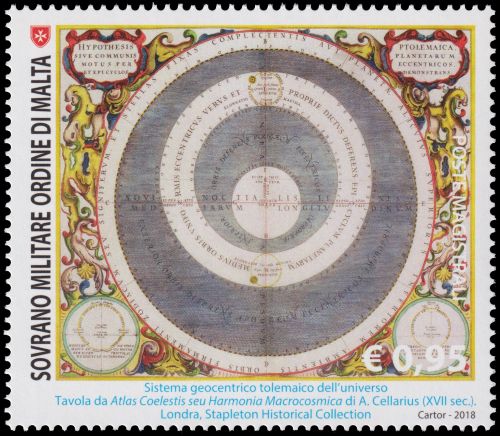 |
Ptolemaic hypothesis: Eccentric movements of the planets, on a stamp issued by the Sovereign Military Hospitaller Order of St John of Jerusalem of Rhodes and of Malta in 2018. The stamp reproduces an illustration from Atlas Coelestis seu Harmonia Macrocosmica by Andreas Cellarius (17th century), from the Stapleton Historical Collection, London. |
| Note: Stamps issued by the Sovereign Military Hospitaller Order of St John of Jerusalem of Rhodes and of Malta (SMOM) are not listed in the MICHEL and Scott catalogues, as they can be used on regular letters only for postage on a limited number of countries that have a postal agreement with the Order. Registered letters are delivered via the Italian Post and must be paid for in cash rather than with stamps. | |
This cosmic map combined the physics of Aristotle with the mathematics of Ptolemy. Over the centuries, medieval Christian thinkers slowly blended these ancient Greek scientific ideas with their own religious beliefs.
By the 13th century, Aristotle's writings became central to a movement called scholasticism. The goal was to prove that Christian Faith and human Reason could work together, showing that studying the natural world logically did not contradict religious scriptures. Thinkers like Thomas Aquinas were instrumental in uniting these two worlds.
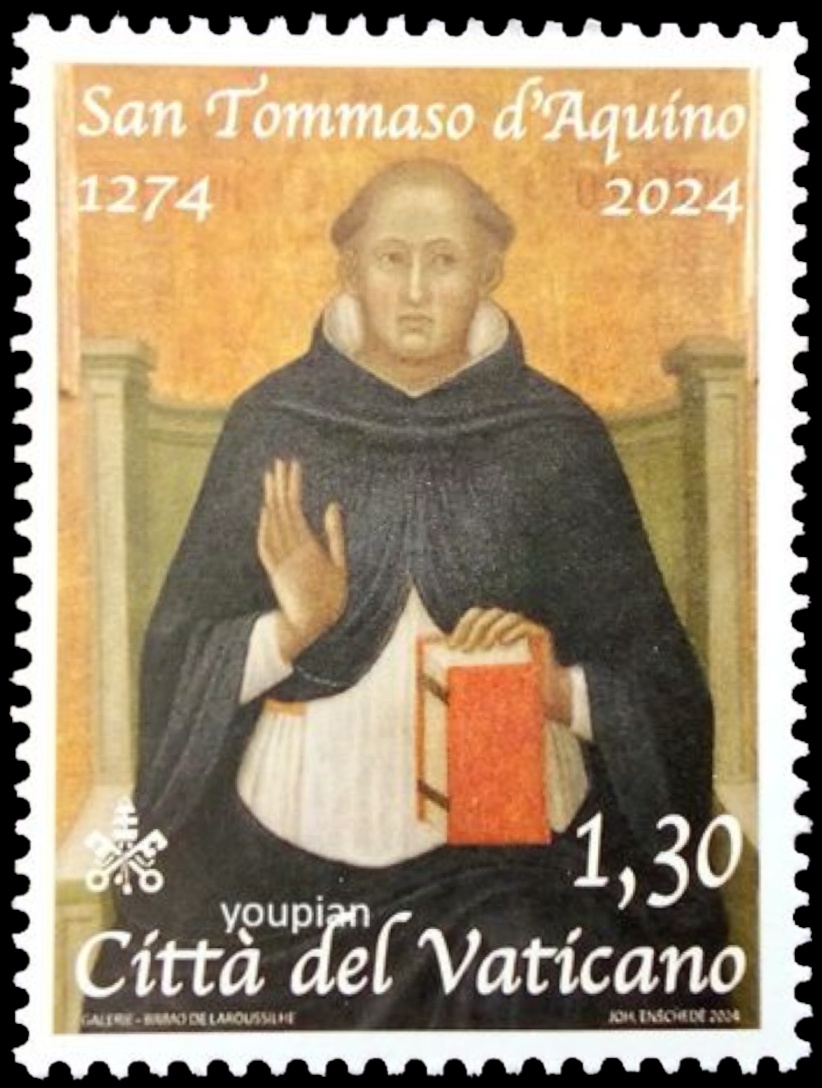 |
| 750th anniversary of the death of St Thomas Aquinas on stamp of Vatican 2024, MiNr.: 2121, Scott: 1855. |
Aquinas maintained that human reason could investigate the natural world and establish certain truths about God, while divine revelation provided truths that exceeded the limits of reason. His synthesis of Aristotelian philosophy and Christian doctrine became a foundation of medieval scholastic thought.
His most important works, particularly the Summa Theologiae and Summa contra Gentiles, systematically combined philosophical reasoning with Christian theology. His approach strongly influenced medieval discussions of nature, creation, and the structure of the universe, and his ideas remained influential in European intellectual thought for centuries.
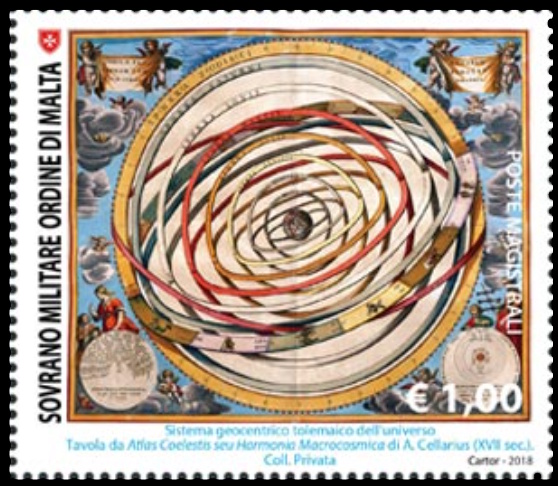 |
Orbits of the planets around the Earth on a stamp issued by the Sovereign Military Hospitaller Order of St John of Jerusalem of Rhodes and of Malta in 2018. The stamp reproduces an illustration from Atlas Coelestis seu Harmonia Macrocosmica by Andreas Cellarius (17th century). |
| Note: Stamps issued by the Sovereign Military Hospitaller Order of St John of Jerusalem of Rhodes and of Malta (SMOM) are not listed in the MICHEL and Scott catalogues, as they can be used on regular letters only for postage on a limited number of countries that have a postal agreement with the Order. Registered letters are delivered via the Italian Post and must be paid for in cash rather than with stamps. | |
Christian philosophers connected this Unmoved Mover to the Christian concept of God. However, they were not exactly the same thing. Aristotle's mover was a detached mechanical force, not the deeply personal, loving God described in Christian theology.
Because this planetary layout seemed to match traditional bible passages, it gained massive authority across Europe. Placing the Earth at the center made perfect sense to people, as it visually reflected humanity's unique role in God’s creation and spiritual history.
Even so, the connection between science and religion was flexible. The Church never actually turned the geocentric model into an official, mandatory law of faith during the Middle Ages. In fact, university scholars frequently argued over the technical details of how the universe functioned.
However, problems arose whenever new ideas directly contradicted traditional scripture readings. When astronomers later suggested that the Earth actually moved around the Sun, they were not just swapping one planetary map for another. They were accidentally threatening the entire philosophical and religious foundation that European society had relied on for centuries.
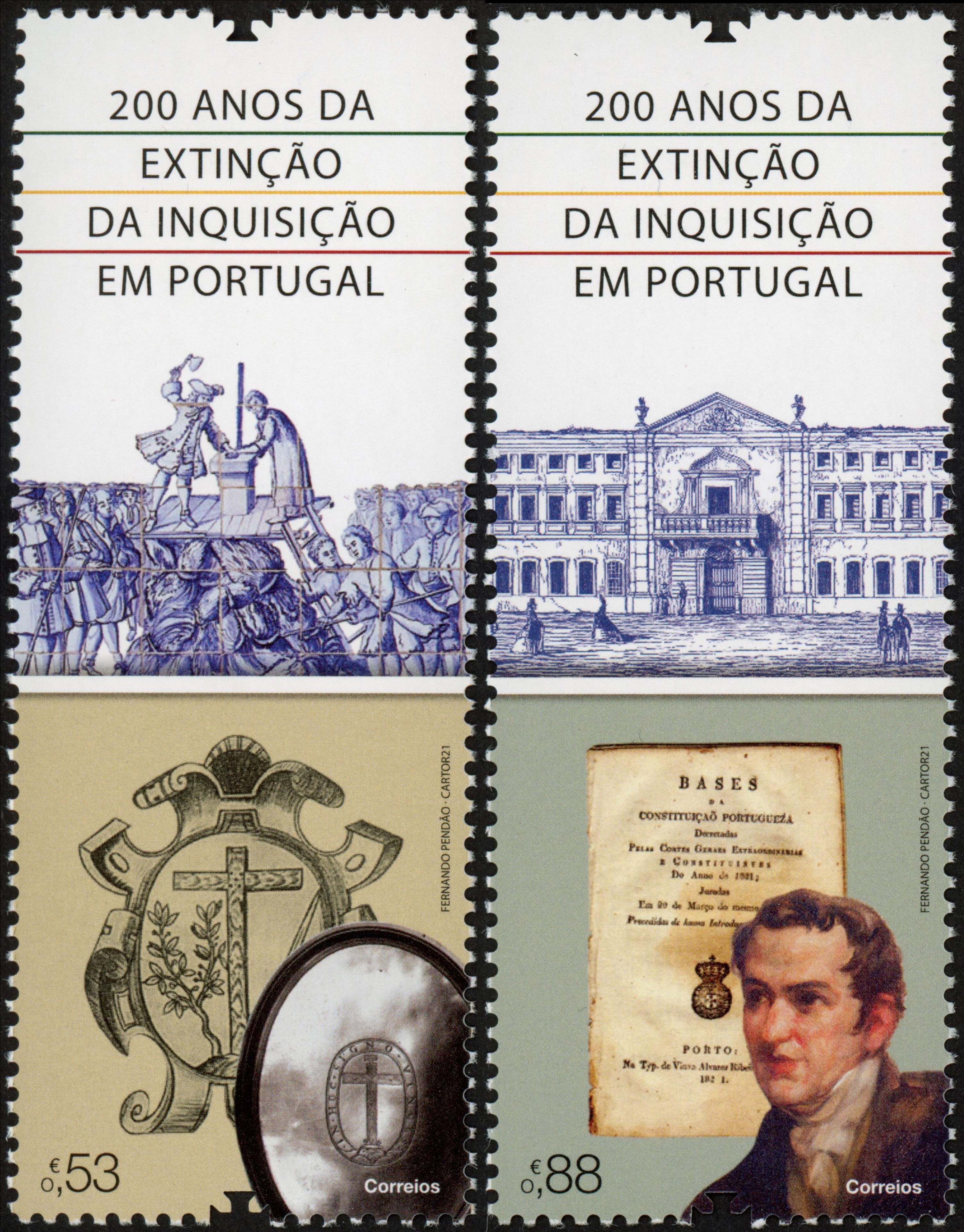 |
| The 200th anniversary of the end of the inquisition in Portugal stamps of Portugal 2021 MiNr.: 4071-4072, Scott: 4300-4301. |
The Inquisition, particularly within the Catholic Church, investigated cases of suspected heresy and could intervene when individuals were accused of promoting ideas considered contrary to established doctrine.
Proceedings could involve the examination of writings, interrogation, censorship, and, in serious cases, formal trials and punishment, including burning at the stake. These mechanisms were primarily concerned with defending religious doctrine rather than suppressing science itself, but they inevitably restricted scholars whose physical observations directly clashed with traditional theological interpretations. By transforming empirical calculations into matters of faith and heresy, these high-profile conflicts forced a systemic rift between institutional religion and independent scientific inquiry.
The cases of figures such as Giordano Bruno and Galileo Galilei became prominent examples of the lasting tensions between religious authority and emerging ideas about the universe.
The Scientific Revolution of the 16th and 17th centuries in Europe
As natural philosophy developed, some scholars began to question traditional interpretations of the cosmos and their relationship to biblical accounts of Creation. This became particularly apparent during the Renaissance and the Scientific Revolution.
The Scientific Revolution of the 16th and 17th centuries in Europe marked an irreversible break with classical natural philosophy, fundamentally transforming how the natural world was investigated. This new approach departed from ancient Greek traditions, adopting a more mechanistic worldview that heavily integrated mathematics and focused on acquiring empirical evidence.
This intellectual shift eventually revolutionized early naturalists' understanding of the very origin of life, transitioning from theories of spontaneous generation and divine whims toward observable biological laws. Crucially, as empirical evidence of massive, unfamiliar fossil bones accumulated, it forced a profound transformation in scientific thought: the dawning realization of the concept of extinction. The revolutionary idea that entire species could vanish forever directly disrupted the traditional belief in a static, unchanging creation, laying the foundational framework for modern paleontology and the deep-time history of the Earth.
Nicolaus Copernicus (1473–1543)
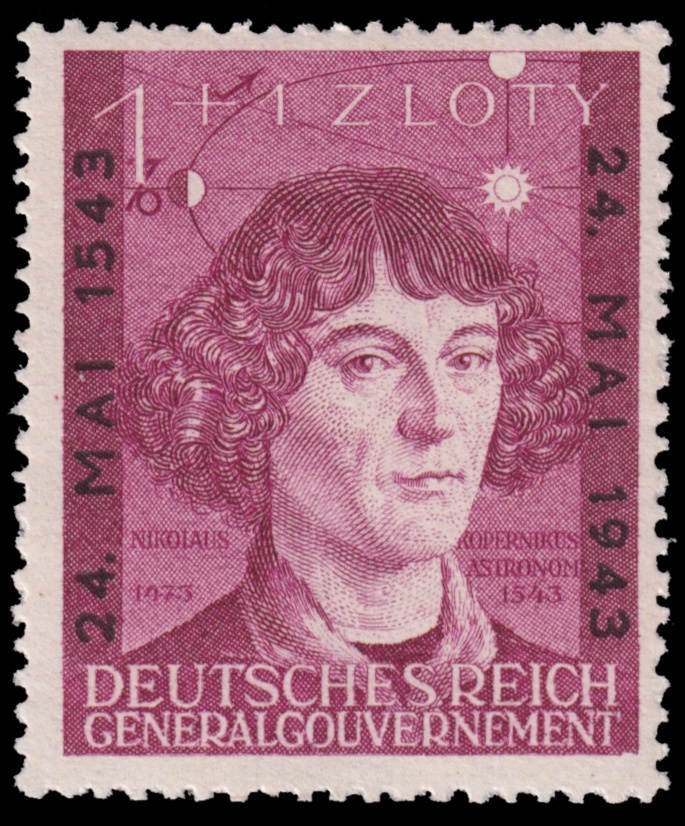 |
| A 1943 German occupation stamp from the General Government in Poland. The issue features a portrait of Nicolaus Copernicus with a surcharge overprint marking the 400th anniversary of his death. |
In 1543, the final year of his life, his monumental treatise De revolutionibus orbium coelestium was physically printed in Nuremberg, Germany.
Copernicus had delayed its publication for decades due to extreme perfectionism, but after his student Rheticus brought the manuscript to press, the very first bound copy finally reached the astronomer's hands on May 24, 1543 — the literal day he passed away following a paralyzing stroke.
This Copernican model proposed a revolutionary heliocentric system that directly challenged the geocentric system of Ptolemy that had prevailed for centuries with Church backing.
Instead of keeping Earth stationary at the center of the universe, Copernicus posited that the Earth is simply one of several planets revolving annually around a stationary Sun while rotating daily on its own axis.
The publication was a monumental milestone, initiating a profound shift in modern astronomy and serving as a pioneering catalyst for the broader Scientific Revolution.
While Copernicus' mathematical model decentralized the Earth, it still relied on the ancient assumption of perfect circular orbits, forcing him to use complex planetary loops (epicycles) to make his calculations work. It shook the foundation of classical cosmology, but it would take Johannes Kepler's later discovery of elliptical orbits to make the heliocentric system truly precise.
In 1616, decades after its publication, the Catholic Church officially restricted Copernicus' book "until corrected." This Counter-Reformation backlash was triggered 73 years after his death, largely in response to Galileo Galilei's aggressive advocacy for heliocentrism as a literal physical reality.
Giordano Bruno (1548–1600)
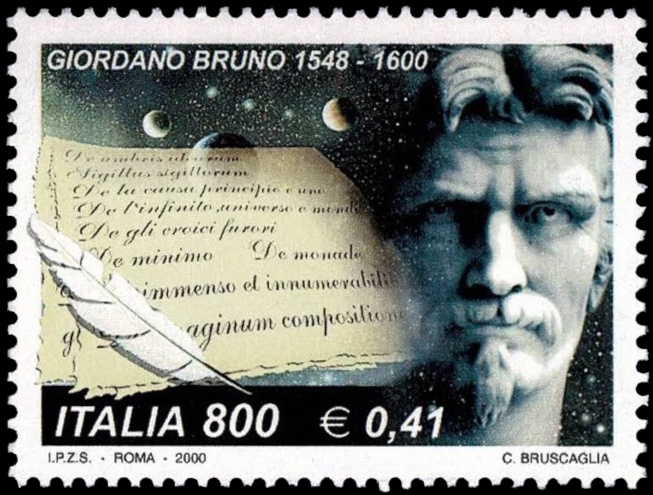 |
| Giordano Bruno on stamp Italy 2000, MiNr.: 2715, Scott: 2329. |
While Bruno is chiefly remembered for his infinite cosmology, a landmark study published in 1895 by the Società dei Naturalisti in Napoli drew attention to another aspect of his natural philosophy.
In Giordano Bruno nella storia della geologia, Giuseppe De Lorenzo examined Bruno's ideas concerning the Earth's form, the relative extent of land and sea, and volcanic phenomena, presenting them as significant early contributions to the history of geological thought.
Bruno accepted the spherical form of the Earth but rejected the idea that surface irregularities compromised its shape. Traced to his own discussion in De immenso et innumerabilibus, he used the irregularities of a fruit to illustrate the relative insignificance of terrestrial relief. The 19th-century account expressed this striking analogy by describing the highest mountains as being no higher, in proportion to the size of the Earth, than the “wrinkles on the skin of a dried apple”.
More importantly, Bruno regarded the Earth's surface as subject to long-term natural change. Giuseppe De Lorenzo highlighted Bruno's descriptions of a “slow, long-continued struggle between the emerged land and the seas”, pointing out that the distribution of oceans and continents was variable rather than permanently fixed. To support this view, Bruno's writings drew attention to marine fossil traces occurring at elevated inland positions.
 |
| Noah Ark with animals and humans on the Mini-Sheet of Israel 2007, MiNr.: , Scott: . |
Consequently, his ideas challenged explanations of Earth's history based exclusively on a single catastrophic event. He questioned the traditional interpretation of the Biblical Deluge as a sufficient explanation for the geological distribution of marine remains. Rather than treating the Earth's surface as the static result of a single primordial catastrophe, he envisioned successive natural changes in the relationship between land and sea.
Bruno also turned his attention to volcanic phenomena.
In De immenso, he suggested that surface waters might actively participate in processes occurring within the Earth's hot interior. This represents an early attempt to explain thermal and volcanic mechanics through natural, physical interactions rather than through supernatural causes.
These observations did not constitute a geological theory in the modern sense, and it would be misleading to describe Bruno as a founder of geology or as a fully developed uniformitarian thinker. Readily standing out for their willingness to regard the Earth as a dynamic natural body, his writings showed that its appearance could be understood through processes operating over long periods of time. His ideas therefore form an important early stage in the gradual transition from traditional theological frameworks towards naturalistic interpretations of Earth's history.
Captured by the Roman Inquisition, Bruno spent approximately seven years in prison, refusing to recant his philosophical and theological positions. Upon hearing his death sentence, he is traditionally reported to have told his judges: “Perhaps you pronounce this sentence against me with greater fear than I receive it”.
On 17 February 1600, he was burned at the stake for heresy in Rome's Campo de' Fiori.
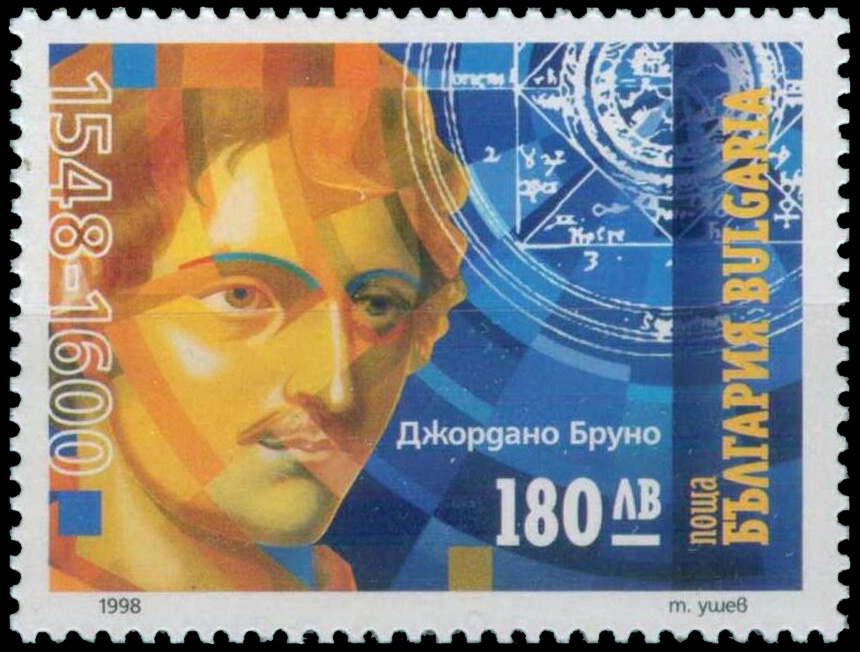 |
| Giordano Bruno on stamp Bulgaria 1998, MiNr.: 4363, Scott: 4058. |
Today, a bronze monument erected in 1889 stands at the site of Bruno's execution in the Campo de' Fiori. The monument has subsequently become associated with the history of freedom of philosophical and scientific thought, although Bruno's own intellectual position combined cosmology, natural philosophy, metaphysics, and theology in ways that do not correspond neatly to the modern distinction between science and religion.
Galileo Galilei (1564–1642)
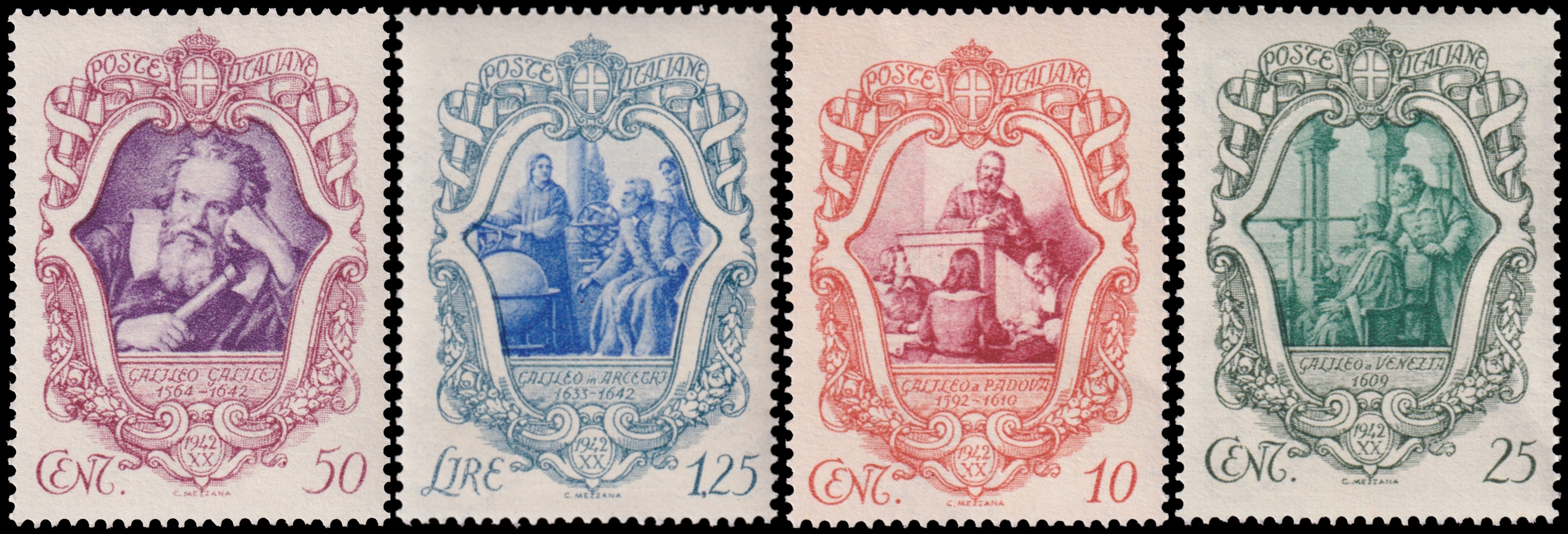 |
| Two of the four Italian stamps from 1942 commemorating the 300th anniversary of Galileo's death. The purple stamp (50 Centesimi) shows a reflective close-up portrait of an elderly Galileo. The green stamp (25 Centesimi) shows Galileo demonstrating his newly constructed telescope to the Venetian Senate in 1609. MiNr.: , Scott: . |
Tried for heresy in 1633, a frail Galileo was forced to recant on his knees his life's work. He spent his remaining nine years under strict house arrest, where he smuggled out his final masterpiece on kinematics.
Beyond his astronomical triumphs, Galileo played a quiet role in the birth of empirical fossil study. As an early member of the prestigious Accademia dei Lincei in Rome, he utilized his telescope lenses as primitive microscopes to assist fellow naturalists in examining the fine organic structures of petrified wood and fossilized shark teeth. This collaborative work led to some of the earliest scientifically illustrated catalogs of European fossils, bridging the gap between the Scientific Revolution and the dawn of geology.
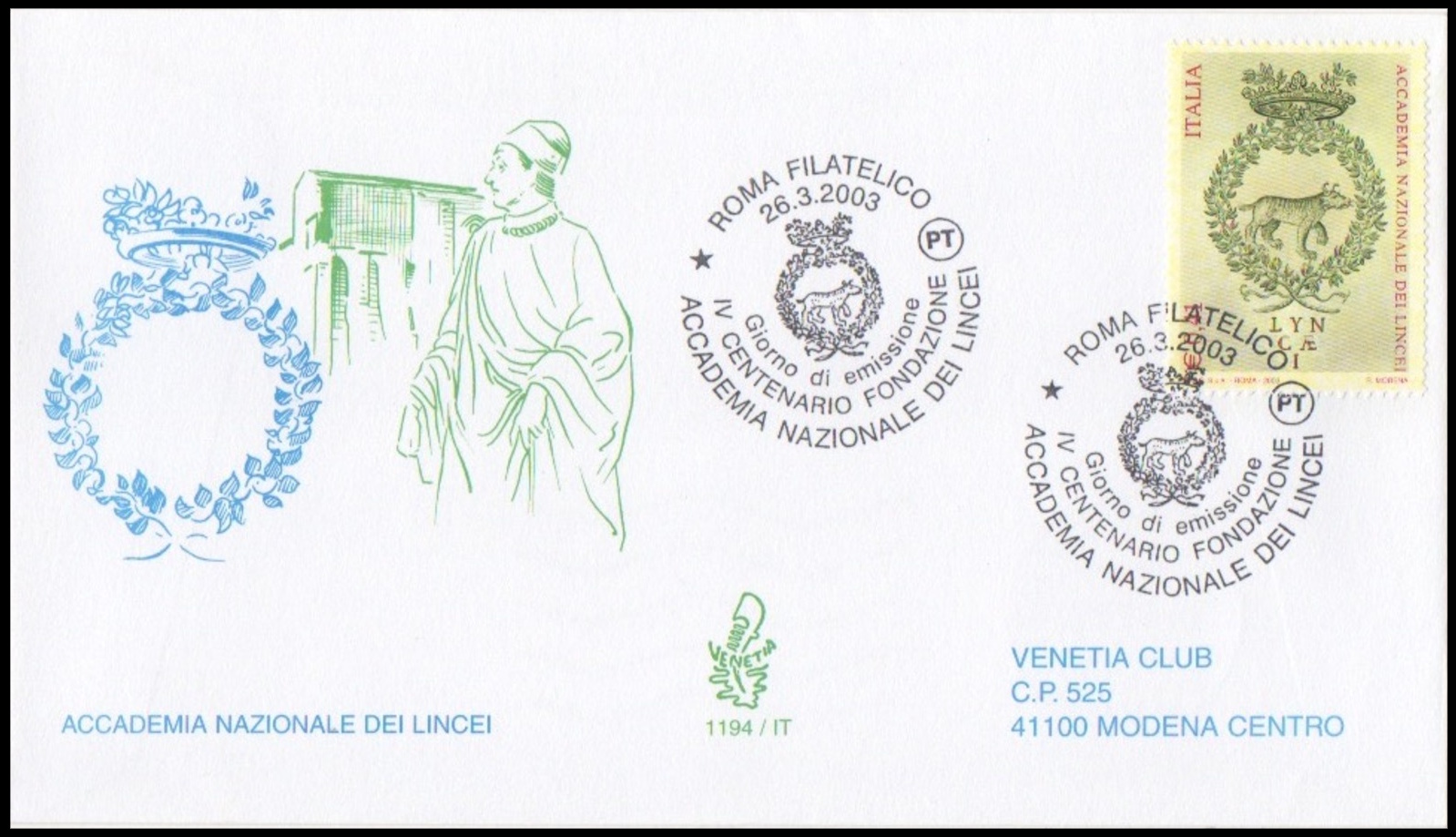 |
| First Day Cover (FDC) with stamp "400 anniversary of Accademia dei Lincei" of Italy 2003. Federico Cesi depicted on the cachet with the first building of academy |
The academy’s founder, Federico Cesi, Prince of Acquasparta (1585–1630), pioneered the systematic observation and recording of the natural world. Between 1611 and 1630, Cesi launched an ambitious project to investigate, collect, and document fossils from his personal estates around Acquasparta in Umbria. He commissioned highly detailed drawings and descriptions of his geological find-sites, standard fossils, and fossilized woods. By merging on-site field observations with data extracted directly from the physical specimens, Cesi developed a groundbreaking systematic framework to interpret fossil origins. Despite being the very first methodology to successfully combine field and specimen data, this historic contribution has been widely overlooked by historians of science.
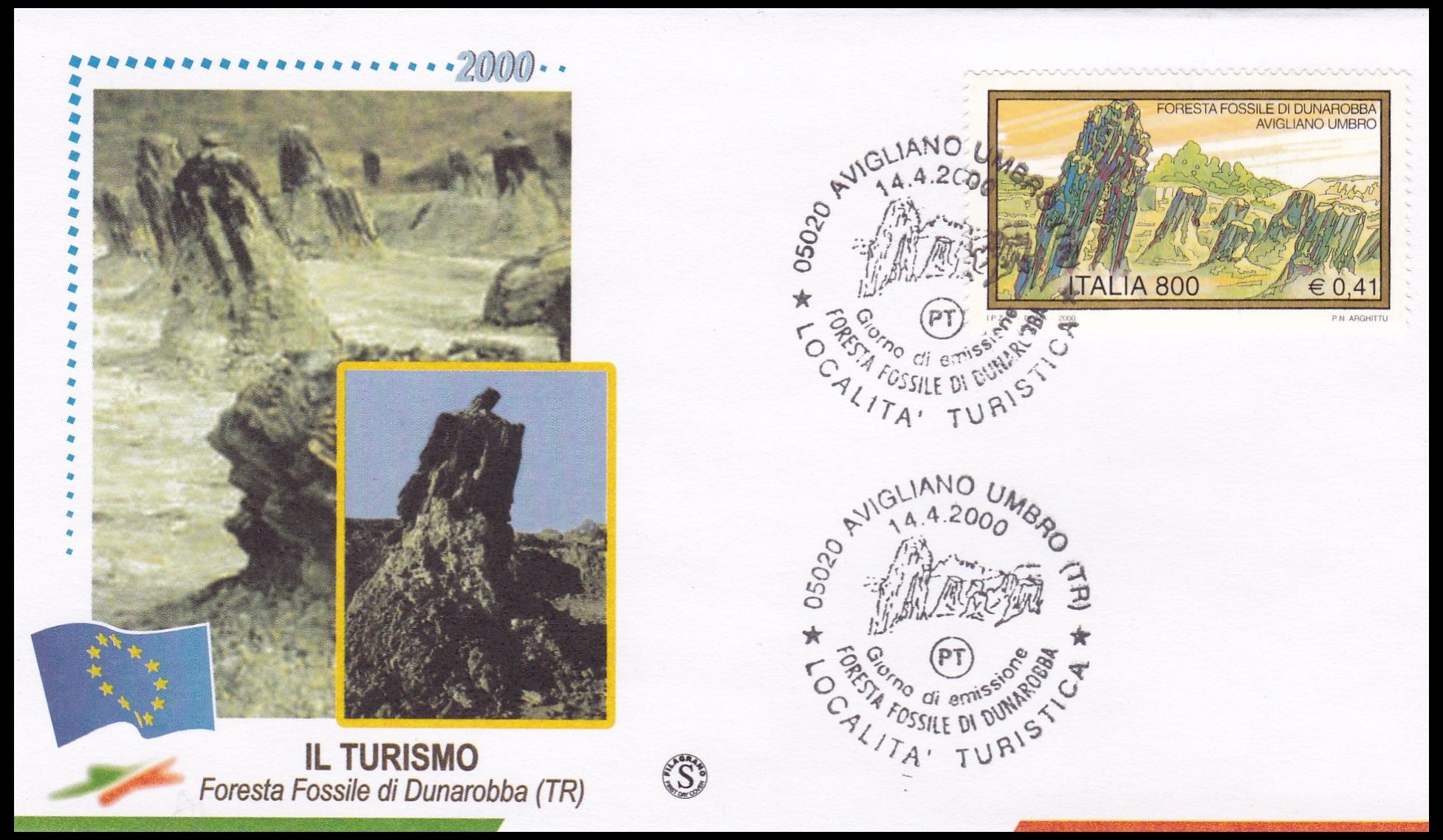 |
| Petrified Forest of Dunarobba on FDC of Italy 2000. |
Cesi's geological field studies focused heavily on the exact Pliocene-era layers known today as the Petrified Forest of Dunarobba (Foresta Fossile di Dunarobba). He became deeply captivated by the fragmented fossilized woods excavated from these soils, spending considerable time trying to classify materials that appeared to be part wood and part stone or metal. He ultimately categorized these baffling specimens as Metallophyta.
The intricate preservation of these samples—heavily mineralized with iron compounds—easily complicated early research, sowing seeds for later misinterpretations. Because Cesi died before his work could see print, the task fell to his friend Francesco Stelluti (1577 – 1646). Stelluti published a monograph on the material but ultimately came to the erroneous conclusion that the Dunarobba fossil woods were formed directly from stone and had "never been alive." (Ironically, the massive, fully upright mummified tree trunks that make Dunarobba world-famous today remained hidden in the clay until their discovery in the late 20th century.) Perhaps Stelluti came to thic conclusuon becuase the petrified wood found at the site of Dunarobba are completely replaced by clay minerals, they are natural casts - after the wood decayed, the cavity was filled with minerals.
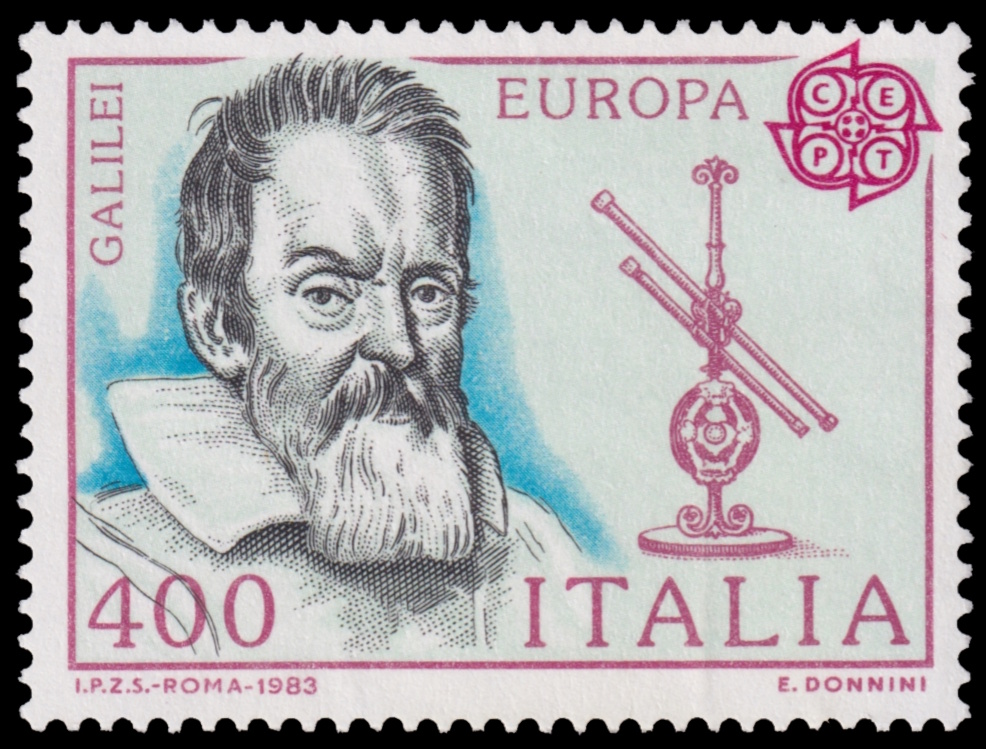 |
| Galileo Galilei with occhiolino on stamp of Italy 1983 MiNr.: 1842, Scott: 1558. |
The new optical techniques stimulated a close collaboration between scientists and artists. The Academy promoted highly detailed illustrations of plants, fungi, insects, fossils, and other natural objects, including the famous Melissographia of 1625, which depicted the anatomy of a bee under magnification. These developments formed part of the Lincean commitment to precise observation, visual documentation, and empirical study of the natural world.
The Academy supported Galilei's scientific work and helped publish his research. Several of Galileo publications were sponsored by the Lincei and bear their symbol The Academy was also standing behind him during his disputes with the Roman Inquisition.
Johannes Kepler (1571–1630)
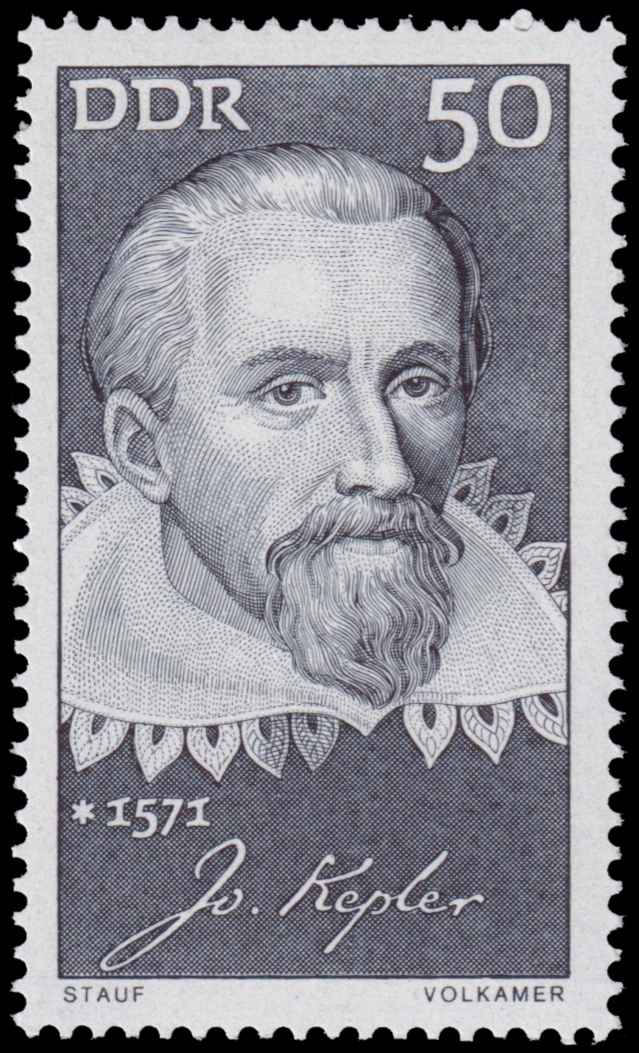 |
| Johannes Kepler on stamp of German Democratic Republic 1971, MiNr.: 1649, Scott: 1275. |
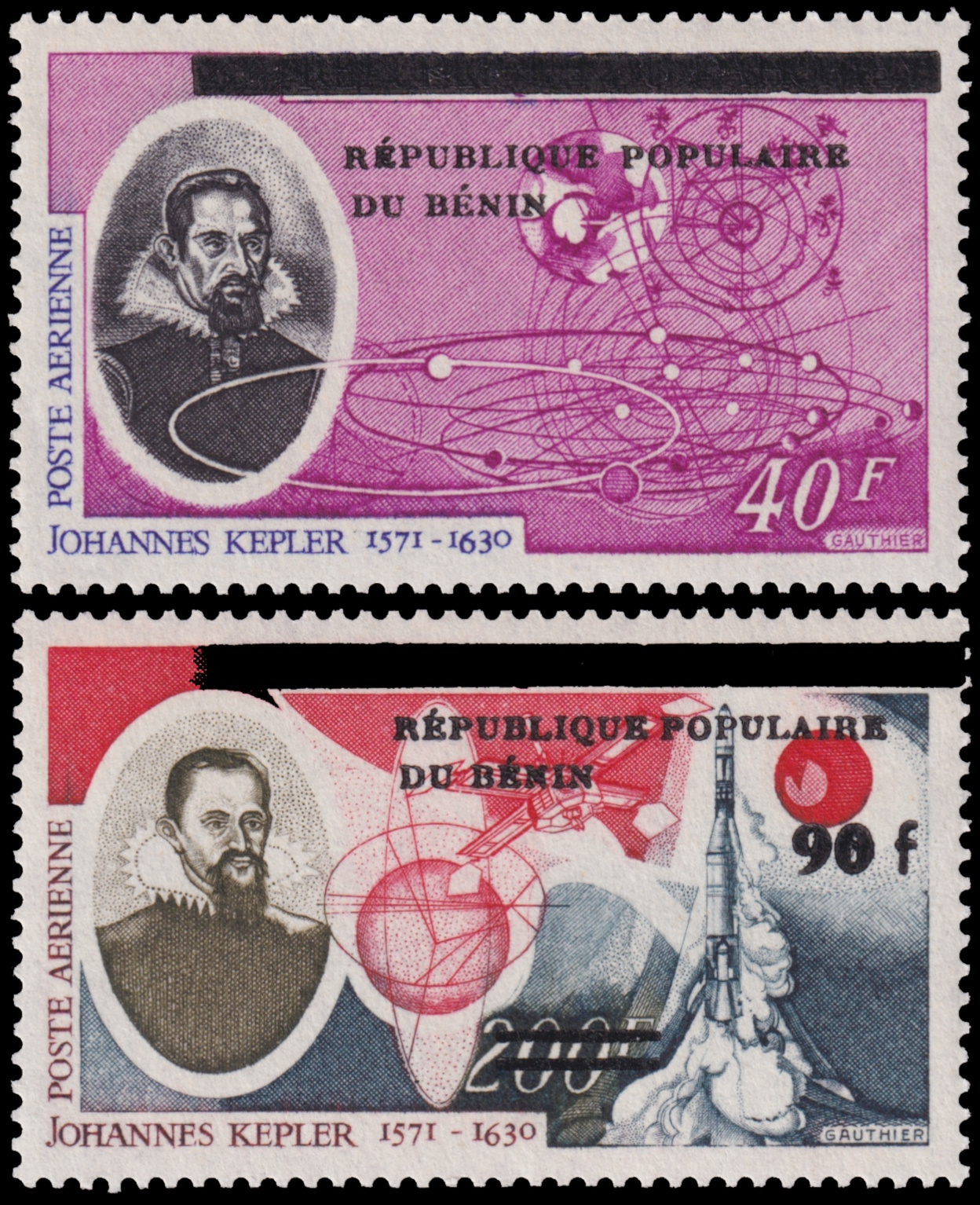 |
| Johannes Kepler on overprinted provisional stamp of Benin (1985), MiNr.: 407, Scott: C342. |
His work bridged the theoretical gap between Copernicus and Galileo , providing the structural, predictive proof required to permanently dismantle the ancient Ptolemaic and Aristotelian systems.
Unlike Galileo, Kepler’s primary religious persecution came from his own faith. A devout Lutheran, his independent theological beliefs regarding the Eucharist led to his formal excommunication by the Lutheran Church in 1612, barring him from Communion and academic positions at Tübingen.
Concurrently, his refusal to convert to Catholicism forced him into exile from Graz in Austria. His personal life was further upended in 1615 when his elderly mother, Katharina, was accused of witchcraft by paranoid Protestant authorities. Kepler paused his planetary calculations for nearly six years to serve as her legal defense lawyer, successfully utilizing his status as Imperial Mathematician to secure her acquittal from the stake in 1621.
The Catholic Church and the Acceptance of Heliocentrism
While these ideas originally caused deep theological rifts, the Catholic Church has gradually reassessed its relationship with modern astronomy.
This shift became particularly visible in 1992, when Pope John Paul II acknowledged that errors of judgment had been made in the handling of Galileo's case and that the conflict between scientific investigation and religious faith need not be inevitable.
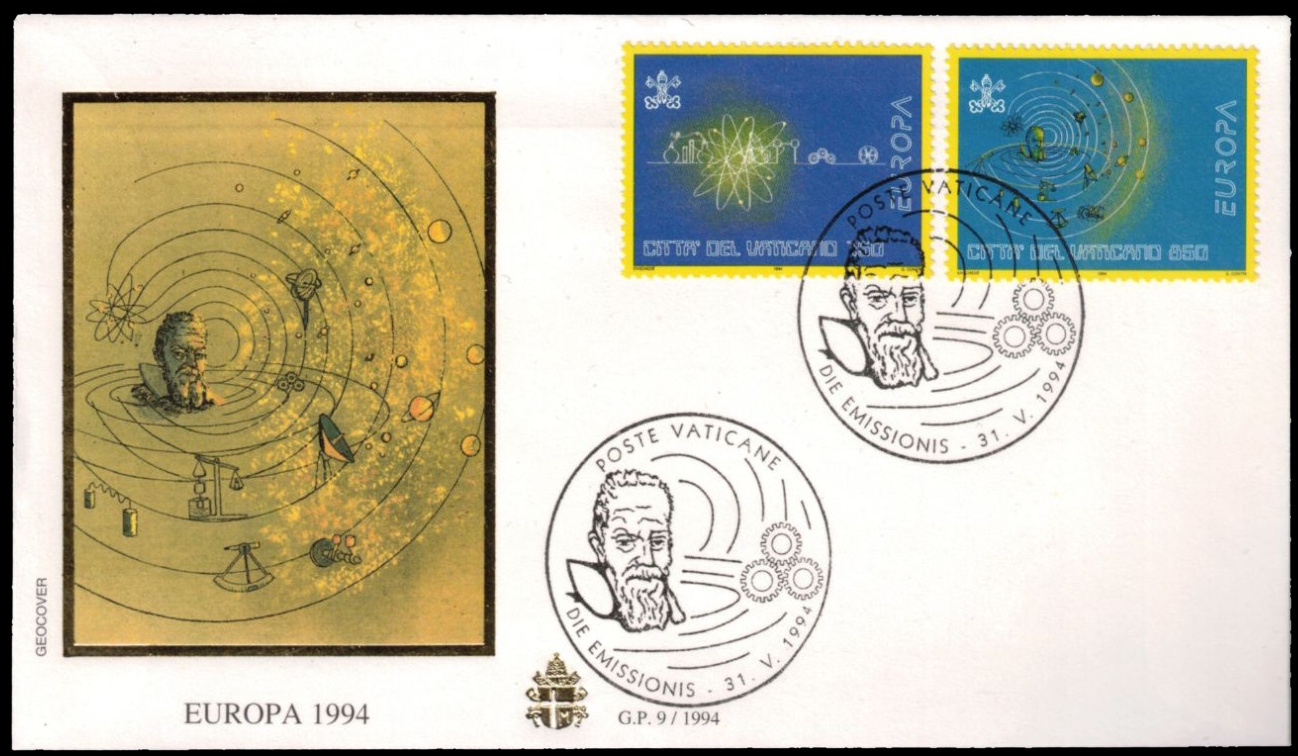 |
| Galileo Galilei on stamp (MiNr.: 1123, Scott: 954) and commemorative postmark of vatican 1994. |
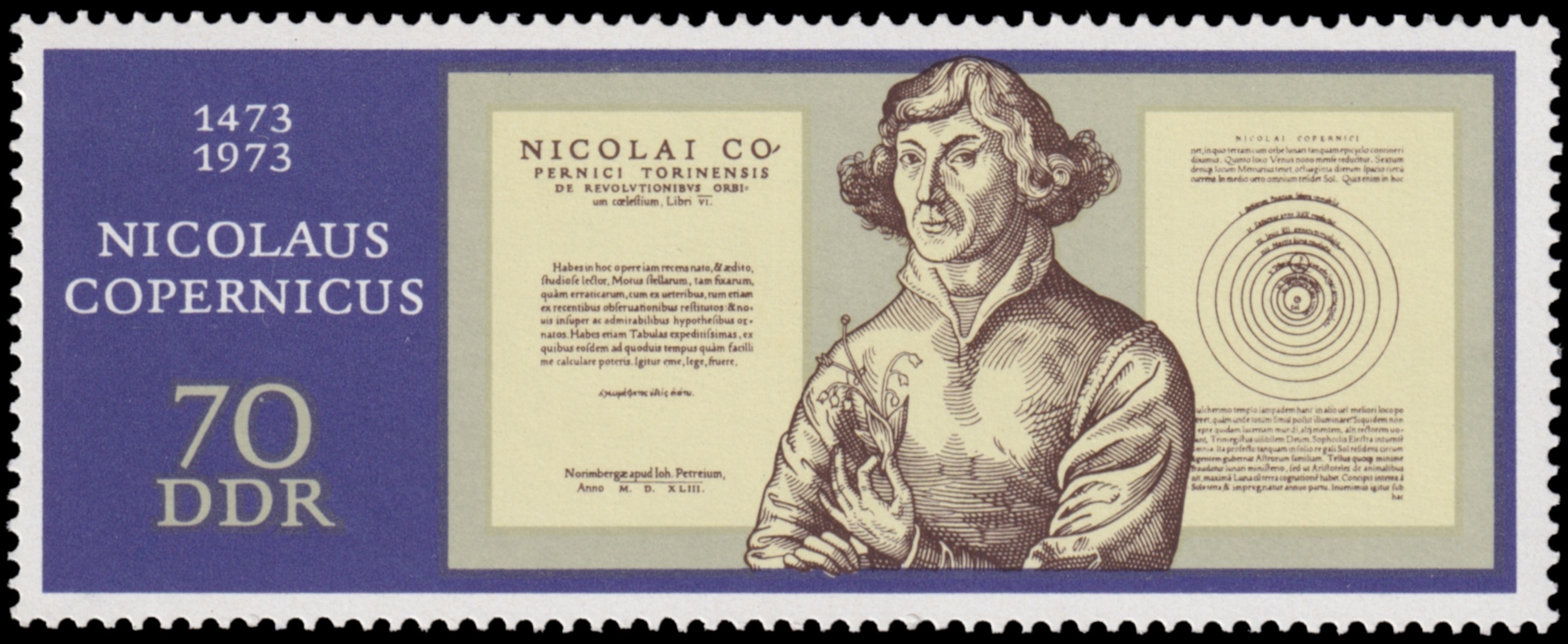
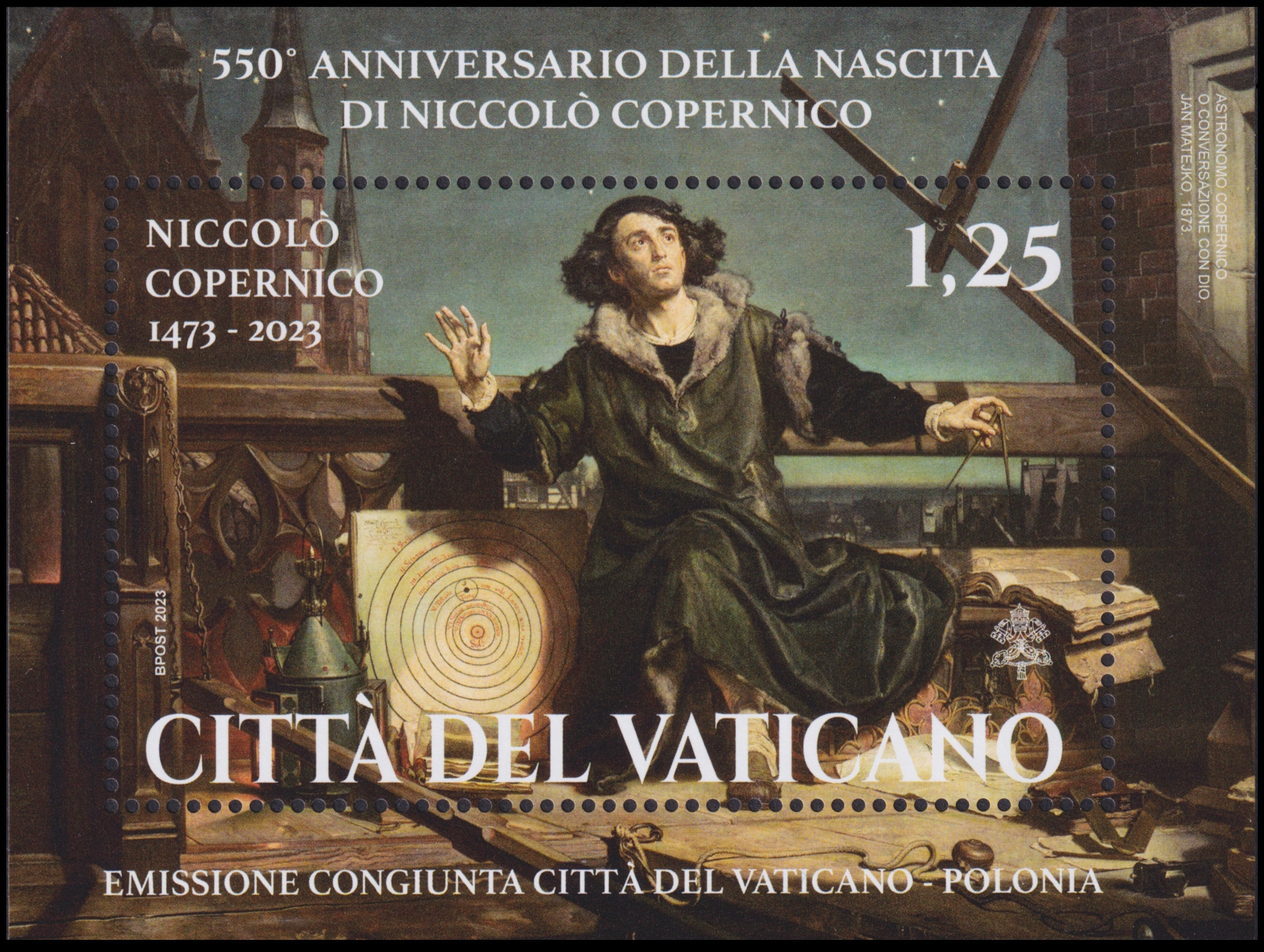
Nicolaus Copernicus was also commemorated on Vatican postage issues, first in 1973, when the Postal and Philatelic Office of Vatican City marked the 500th anniversary of his birth, and again in 2023, when Vatican City issued a joint commemorative Souvenir-Sheet with Poland to mark the 550th anniversary of his birth.
Thus, Copernicus and Galileo have both become subjects of Vatican philatelic issues, reflecting the eventual acceptance of the heliocentric revolution within the Catholic Church's historical understanding of science.
 |
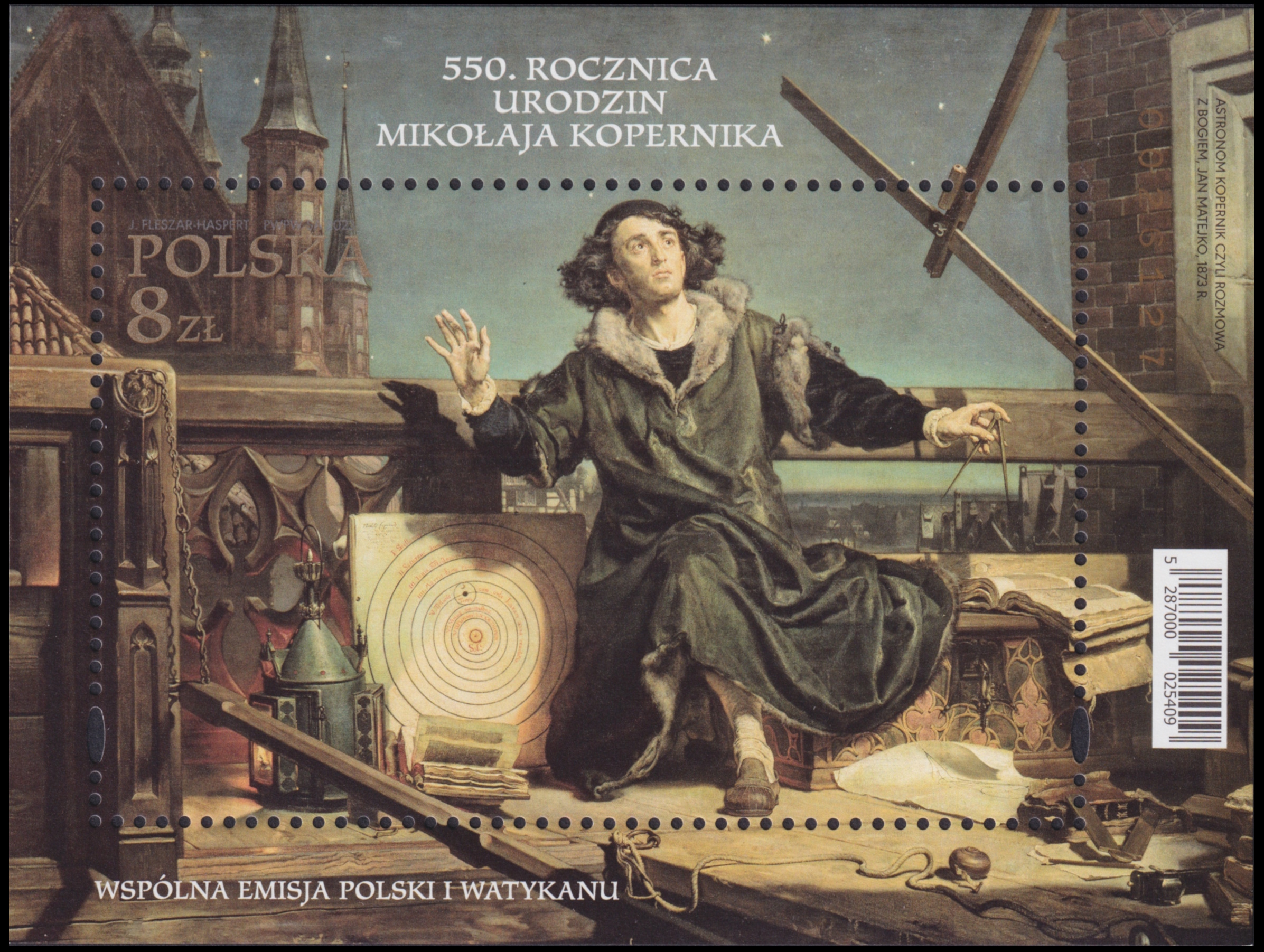 |
| Nicolaus Copernicus on the joint issue of Vatican City (MiNr.: 2043, Scott: 1818) and Poland (MiNr.: Bl. 272, Scott: 4625) issued in 2023 to celebrate his 550th anniversary. The design reproduces Astronomer Copernicus, or Conversations with God, painted by the Polish artist Jan Matejko and completed in 1873, from the collection of the Jagiellonian University in Krakow. | |
The Vatican's treatment of Giordano Bruno was very different. Bruno, a former Dominican friar, was tried by the Roman Inquisition and executed in Rome in 1600 for heresy. Although his philosophical and theological doctrines have not been rehabilitated, the Vatican expressed profound regret in 2000 over the coercive procedures and violent outcome of his trial and execution. Bruno has never been commemorated on a Vatican postage stamp.
Johannes Kepler, in contrast, was not subjected to comparable action by the Catholic Church. As a Lutheran, he worked largely in the Protestant world and became an important successor to Copernicus, providing a mathematical foundation for the heliocentric model through his laws of planetary motion. The Vatican Observatory recognizes him as a major figure in modern astronomy. No postage stamp dedicated to Kepler has been issued by Vatican City.
The Enlightenment and the Institutionalization of Geology and Paleontology
The tension between scientific inquiry and religious authority continued into the eighteenth century, although ecclesiastical control over scientific debate gradually weakened as natural philosophy became increasingly independent of theology and empirical methods gained importance.Comte de Buffon: Pioneering a Physical History of Earth
|
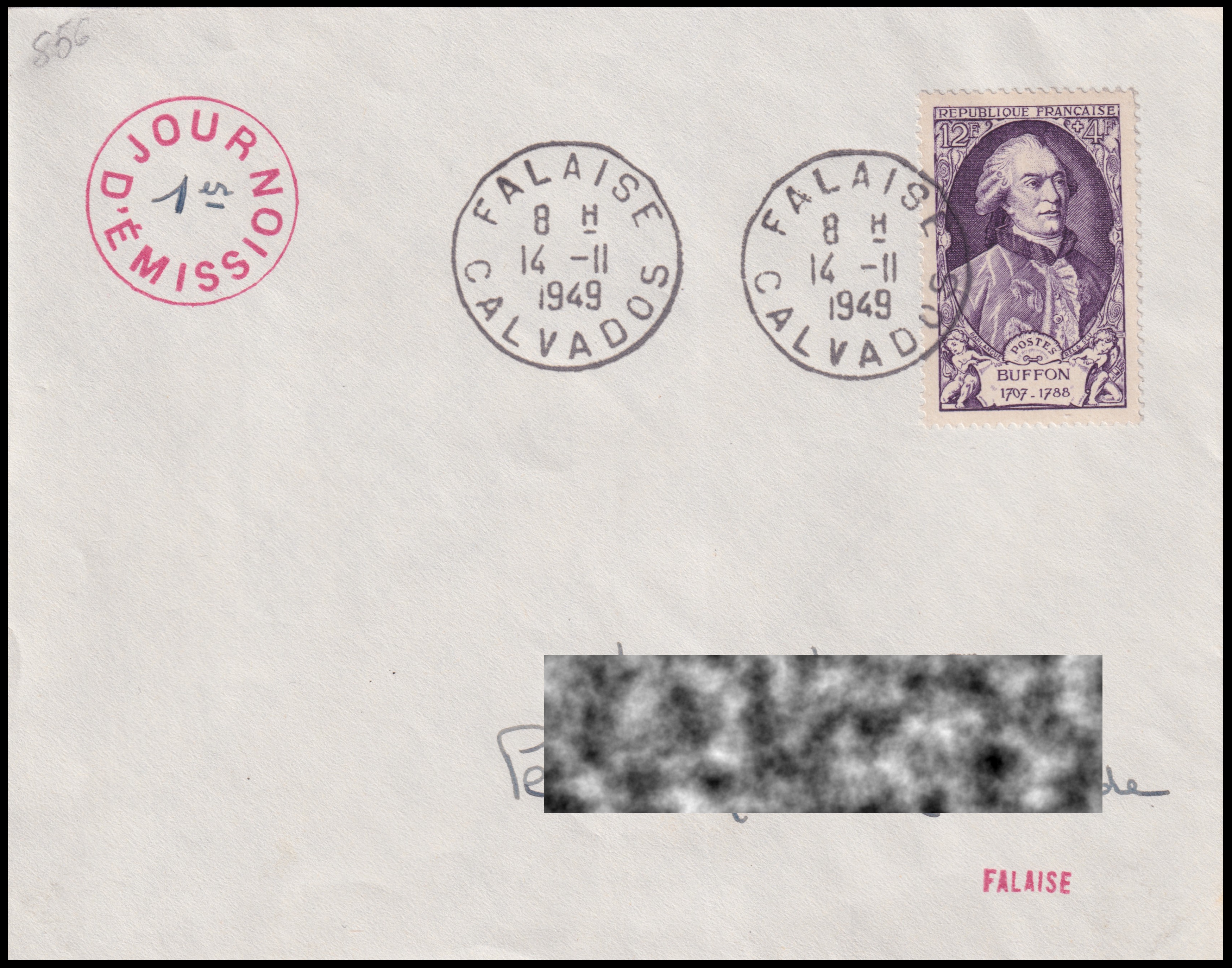
| Georges-Louis Leclerc, Comte de Buffon on FDC of France 1949 |

|
| Personalized Mini-Sheet issued in 2016 by the French Federation of Philatelic Associations (FFAP) for the stamp show "La passion du timbre : Paris-Philex" and the 89th Congress of the FFAP. The statue of Buffon located in the botanical garden of the Natural History Museum at Paris deoicted in the bottom-right corner. |
The primary objection targeted his secular mechanism for landscape formation, specifically his claim that: "The waters of the sea have produced the mountains and valleys of the land; the waters of the heavens, reducing all to a level, will at last deliver the whole land over to the sea; and the sea, successively prevailing over the land, will leave dry new continents like those we inhabit".
Politely requested by the college to recant, and having no desire to be a martyr to science, Buffon formally qualified his views by publishing a mandatory declaration in his next volume: "I declare that I had no intention to contradict the text of Scripture; that I believe most firmly all therein related about the creation, both as to order of time and matter of fact; and I abandon everything in my book respecting the formation of the earth, and, generally, all which may be contrary to the narration of Moses".
Nevertheless, this submission was merely a tactical retreat. In 1778, Buffon published Les Époques de la Nature, where he bypassed traditional constraints entirely to present a sequence of distinct geological epochs, boldly estimating the Earth's age at approximately 75,000 years. His brilliant synthesis ultimately survived institutional pushback, helping to permanently establish the deep antiquity and physical history of the Earth as legitimate subjects for independent scientific investigation.
Separation of religious authority from the state
The French Revolution of 1789 marked an important political turning point in the relationship between religious authority and the state. The Revolution challenged the political privileges of the Catholic Church and placed the clergy under state control. Although the relationship between Church and state was subsequently modified under Napoleon, the Revolution initiated a longer process of reducing ecclesiastical influence over public and intellectual life. In France, this process culminated in the formal separation of Church and state in 1905. Other European countries followed different paths.
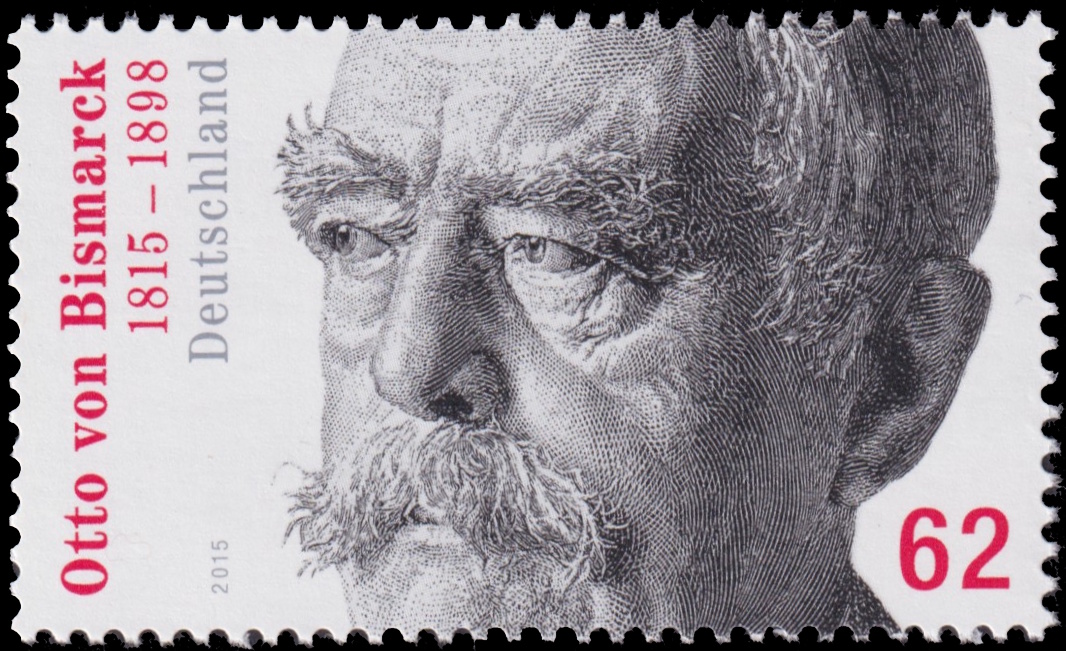 |
| Otto von Bismarck on stamp of Germany 2015, MiNr.: 3145, Scott: 2838. |
This broader transformation affected the development of the natural sciences. During the nineteenth century, universities, museums, scientific societies, and professional scientific communities increasingly developed their own institutional structures and methods. Questions concerning the age of the Earth, geological change, the history of life, and eventually the evolution of species could increasingly be investigated through observation, experimentation, and geological evidence rather than being required to conform to traditional biblical chronology.
References
Church control of science
| Geocentrism | Ptolemy | Thomas Aquinas | Inquisition |
The Scientific Revolution of the 16th and 17th centuries in Europe
| Nicolaus Copernicus Copernican heliocentrism | Giordano Bruno | Galileo Galilei Accademia dei Lincei | Johannes Kepler |
The Enlightenment and the Institutionalization of Geology and Paleontology
| Comte de Buffon |
Separation of religious authority from the state
|
Freiberg University of Mining and Technology | Abraham Gottlob Werner |